Discover the Vital Services Provided by a Professional Arborist for Optimal Tree Health
A professional arborist delivers a variety of services essential for keeping trees healthy and improving landscapes. Their expertise in tree pruning promotes growth and lessens dangers. They also diagnose and manage tree diseases, ensuring tailored treatment plans are established - Florence Arborist. Additionally, arborists manage secure tree removal and aid in planting and transplanting. Their role is even more vital during urgent times such as storm damage. Understanding these services can greatly impact one’s approach to tree care
The Necessity of Tree Pruning
Although many homeowners might ignore the importance of tree pruning, it plays an essential role in maintaining the health and aesthetics of trees. Correct pruning aids trees in developing a robust structure, eliminating dead or infected limbs that could pose risks. By selectively trimming branches, the tree can direct its energy on healthy growth, fostering superior air movement and sunlight penetration. Additionally, pruning can boost the aesthetics of the tree, contouring it for attractiveness in residential landscapes.
Moreover, regular pruning can prevent potential hazards, such as limbs falling during storms or high winds, which could harm property or injure individuals. It also assists in avoiding of insect problems and diseases by improving the tree's resilience. Ultimately, hiring professional arborists for tree pruning makes sure trees are kept healthy, safe, and attractive, greatly contributing to the overall beauty and value of the property.
Identifying and Treating Tree Diseases
Tree health can be considerably affected by a range of diseases that may not always be readily apparent. A professional arborist is crucial in detecting these problems soon, utilizing a combination of visual inspections and diagnostic tools. Symptoms such as unusual leaf coloration, wilting, or abnormal growth habits often point to underlying wellness concerns. Arborists assess these symptoms to identify specific diseases, whether fungal, bacterial, or viral in nature.
Following the diagnosis, the professional designs a specific treatment strategy. This may include focused interventions, such as fungicides or bactericides, and cultural practices that enhance tree resilience. In addition, correct hydration, the application of mulch, and feeding can significantly boost tree health and defense against pathogens. Regular monitoring and subsequent care are essential for successful control, ensuring the longevity and health of the trees. By addressing tree diseases proactively, professionals preserve the ecological advantages and visual appeal of thriving trees.
Guidelines for Safe Tree Removal
Proper tree felling methods are necessary to ensure the safety of the crew and limiting harm to surrounding property. Expert tree specialists conduct a comprehensive evaluation of the state of the tree, where it is situated, and the surrounding environment prior to starting the extraction. Professionals employ dedicated machinery, such as ropes and cutting tools, to ensure accurate cutting and manage the tree during its descent.
A carefully designed extraction plan involves spotting possible dangers, such as power lines or nearby structures, which can affect the security of the job. Arborists often use a technique called "sectional dismantling," in which the tree is taken apart in smaller segments, lessening the hazard posed by dropping wood.
Furthermore, professionals comply with municipal guidelines to ensure adherence and ecological responsibility. Once the tree is down, proper cleanup and disposal of the tree debris, stump treatment as well, contribute to the overall safety and aesthetics of the property.
Tree Planting and Relocation
Installing and relocating trees requires careful consideration of site selection and planting techniques to ensure future vitality and growth. An appropriate setting greatly affects a tree's development, while proper planting methods reduce trauma and promote successful establishment. Arborists emphasize these factors as critical for improving the vigor and longevity of trees in any landscape.
Selecting an Appropriate Site
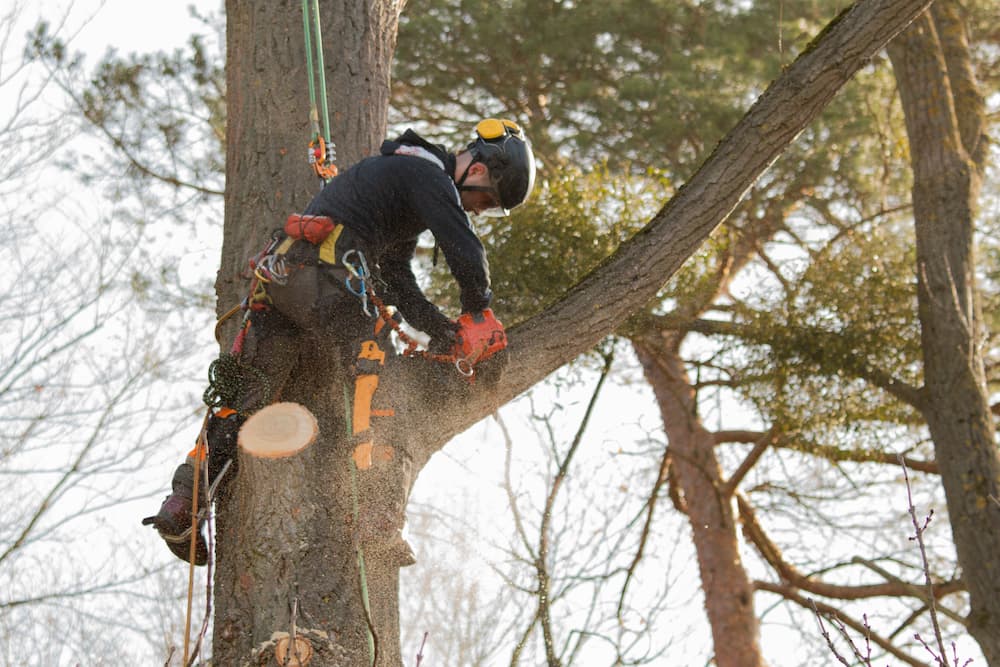
Finding the perfect spot for planting or transplanting trees is essential for their future development and vitality. Considerations including soil quality, the amount of sun, and drainage must be carefully evaluated. Certified arborists assess the site's characteristics, to guarantee that the chosen spot offers sufficient nourishment and support for the tree species. Furthermore, the closeness to current buildings and neighboring vegetation is vital to prevent competition for resources and steer clear of future injury. Experts must also evaluate the tree’s mature size and root system, ensuring thorough guide sufficient space for growth. By conducting a thorough site analysis, arborists enable clients choose wisely that foster robust, flourishing trees, ultimately enhancing the landscape’s aesthetic and ecological value.
Best Practices for Planting
After the location is thoroughly evaluated and chosen, the next step involves employing ideal planting techniques for trees. Proper preparation of the planting hole is vital; it should be two times wider than the root mass and no deeper than the root system itself. The tree should be placed in the hole so that the upper surface of the roots aligns with the existing grade. Refill using the original dirt, ensuring there are no air pockets, and water thoroughly to promote initial root establishment. Applying mulch at the bottom assists in keeping water in and inhibit unwanted growth. Florence Arborist. If moving mature plants, it’s important to minimize root disturbance and transplant during dormancy for the highest rate of success. Implementing these practices fosters healthy growth and long life
Handling Tree Emergencies After Storms
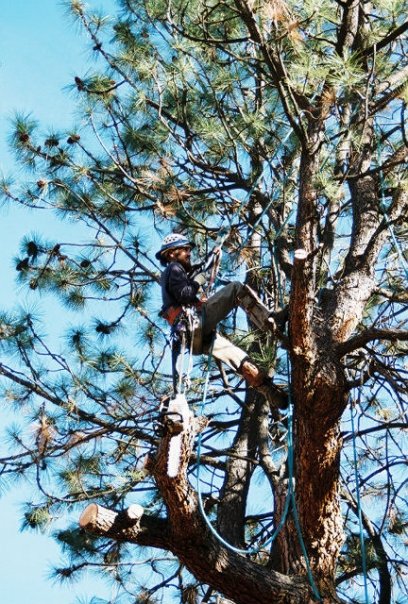
After powerful weather events occur, the consequences often leave trees in hazardous situations, endangering structures and security. Professional arborists play a vital role in immediate action, assessing trees harmed by the storm to check how safe and healthy they are. Their knowledge enables them to determine which plants can be saved and which present immediate dangers that require extraction.
Equipped with specialized tools, they can carefully cut damaged boughs and clear debris, preventing subsequent injury to adjacent property. Arborists also offer helpful guidance on risk mitigation, such as selecting resilient tree species for upcoming installations.
Apart from the initial cleanup, tree specialists assist clients in grasping the future impacts resulting from the weather, giving counsel on how to repair and revive. By acting swiftly and efficiently, certified tree experts safeguard assets but also aid in the recovery of the local environment following major weather events.
Nutrient Assistance and Ground Care
In the wake of storm damage, the priority becomes the condition of surviving trees, emphasizing the necessity of nutritional support and earth maintenance. A qualified tree expert evaluates ground quality and tree vitality to figure out specific nutritional needs. Trees must have essential nutrients, like nitrogen, phosphorus, and potassium, to bounce back and flourish post-stress incidents.
Ground care is vital to nutrient availability and root growth. Experts might advise soil amendments, like organic matter, to enhance soil structure and microbial activity. Proper pH levels are also checked, as they affect how nutrients are absorbed.
Incorporating mulching techniques can keep the ground moist and suppress weeds, creating an ideal environment for tree recovery. By developing a thorough nutritional plan and using smart soil maintenance methods, arborists ensure trees regain strength, resilience, and total well-being, vital for maintaining a balanced ecosystem in the wake of ecological disruptions.
Common Queries
What is the Recommended Inspection Frequency?
Trees should be evaluated once a year for maximum vitality. However, more frequent evaluations may be necessary for younger trees, after severe weather events, or if any signs of distress or disease are observed.
What Qualifications Should I Look for in an Arborist?
In your search for a tree expert, one should look for credentials such as ISA (the ISA) accreditation, applicable work history, insurance coverage, and a strong reputation within the community, confirming knowledge in arboriculture and safe procedures.
Are There Specific Tools Arborists Use for Tree Care?
Arborists employ various specialized tools for tree care, such as chainsaws, pruning shears, climbing gear, and stump grinders. Every piece of equipment has a distinct function, facilitating good care, pruning, and removal of trees and boosting total well-being and safety.
What is the Influence of Climate on Tree Health?
Weather conditions greatly impact tree health; excessive rain can lead to root rot, while dry spells put strain on trees. Extreme temperatures often result in harm to leaves and branches, which affects growth, durability, and overall strength of the trees.
Should I handle my own tree maintenance, or Do I need to call in a specialist?
Even though a few fundamental tree care duties can be performed by individuals, calling in a specialist is frequently the best option - Florence Arborist. Professionals have the necessary tools and specific knowledge, ensuring that trees receive the proper care necessary for ideal health and growth
Comments on “Verified Florence Area Arboriculture”